Our Services
HERBAL PLANTATION
Planting Medicinal Herbs in Forests: A Sustainable Approach to Health and Conservation
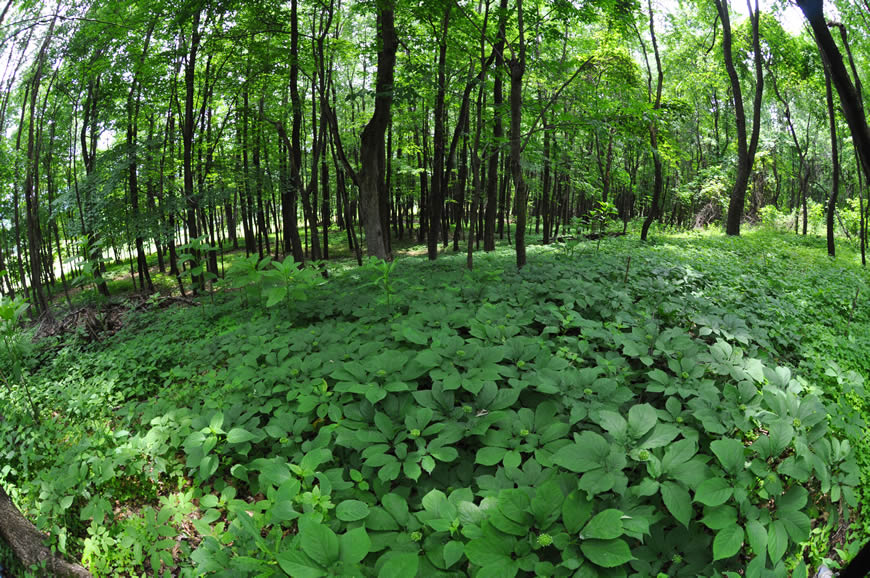
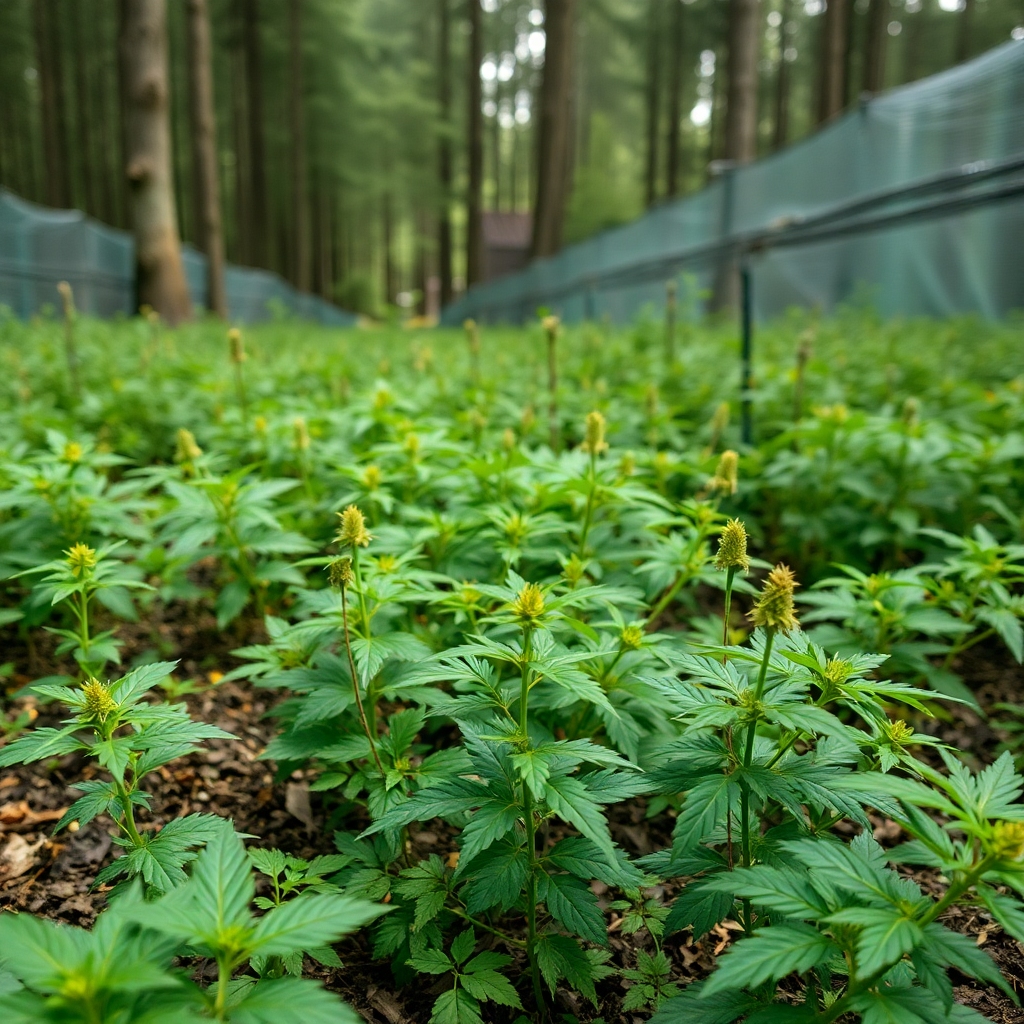
Planting medicinal herbs in forests offers a unique opportunity to combine traditional herbal medicine with environmental conservation. This practice supports biodiversity, promotes sustainable land use, and can provide a renewable source of natural remedies that have been valued for centuries. Here’s an overview of why forest-based medicinal herb cultivation is a powerful strategy and how it can be implemented effectively.
Why Plant Medicinal Herbs in Forests?
- Biodiversity
- Sustainable Cultivation
- Economic Benefits
- Traditional Knowledge
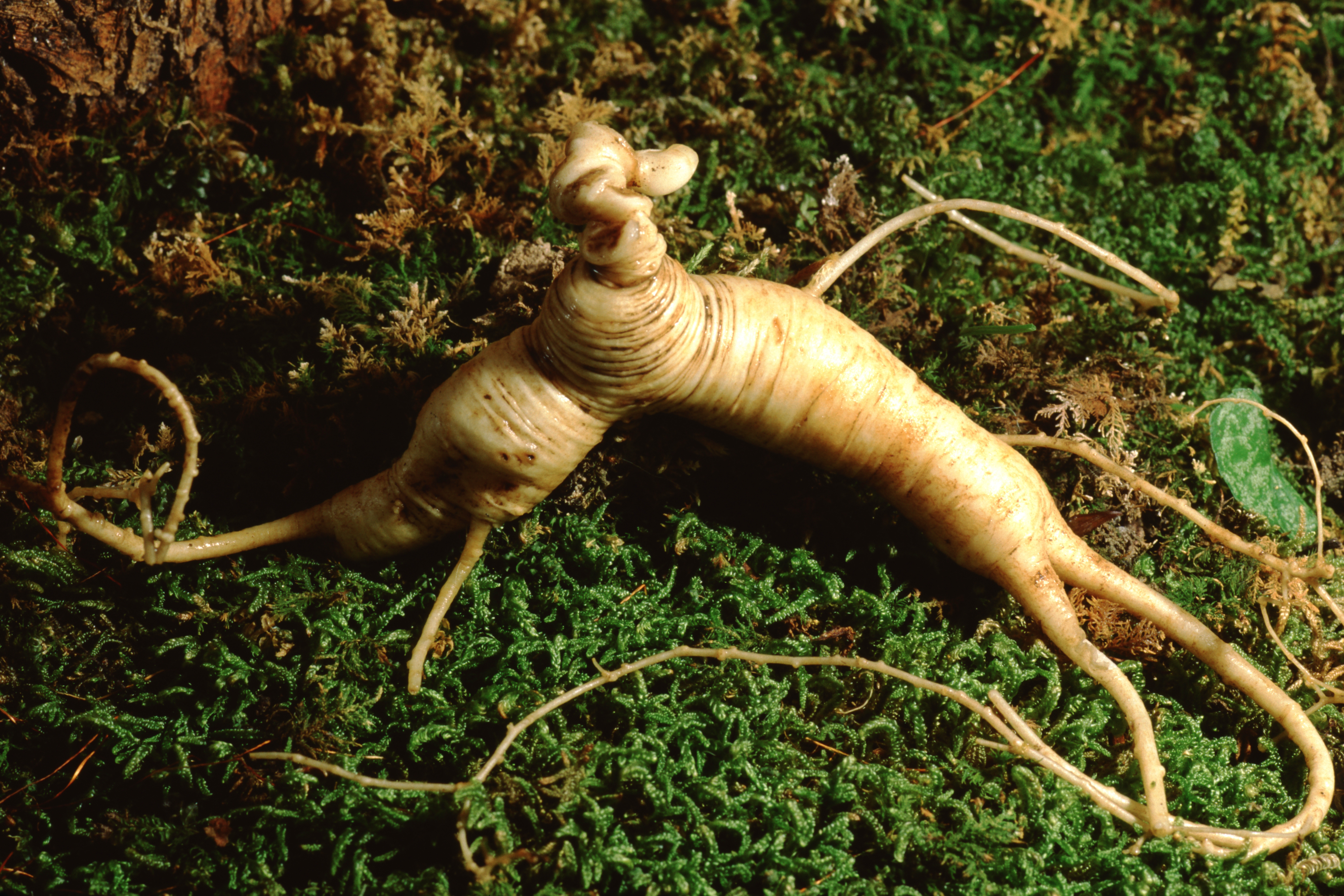
American Ginseng (Panax Quinquefolius)
The active compounds in American ginseng (Panax quinquefolius) are primarily ginsenosides. These are a group of steroidal saponins that are responsible for many of the herb’s medicinal properties. There are over 30 different ginsenosides identified in American ginseng, and the most notable include Rb1, Rg1, Re, Rd, Rc, Polysaccharides, Polyacetylenes, Flavonoids.
These active compounds contribute to American ginseng's reputation as an adaptogen, which is a substance that helps the body resist physical, chemical, and biological stressors. Its benefits include boosting the immune system, improving cognitive function, reducing inflammation, enhancing stamina, and promoting overall well-being.
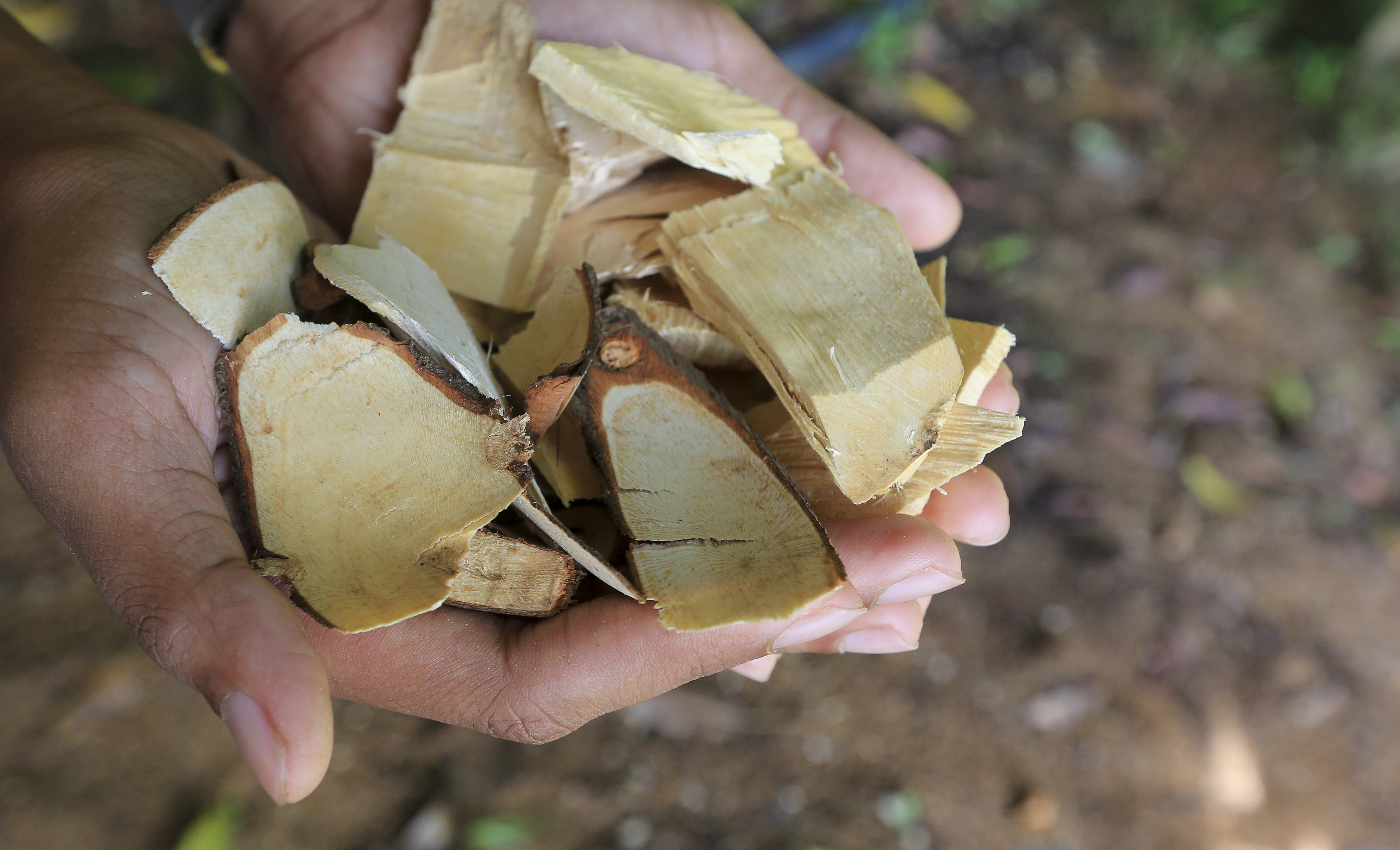
Tongkat Ali (Eurycoma Longifolia)
The primary active compounds in Tongkat Ali (Eurycoma longifolia), a medicinal plant native to Southeast Asia. The key active compounds are Eurycomanone, Quassinoids, Alkaloids, Bioactive Peptides (Eurycolactones), Glycosaponins, Flavonoids. Benefits from Active Compounds can boosts testosterone, enhances energy and endurance, anti-malarial, anti-cancer, anti-inflammatory, anti-oxidative and Supports stress management.
These active compounds make Tongkat Ali a popular choice for natural supplements targeting male health, physical performance, and overall vitality on its potential applications in sports, fertility, and general well-being.

Cordyceps (Cordyceps sinensis and Cordyceps militaris)
The primary active compounds in Cordyceps (a genus of parasitic fungi, particularly known for species like Cordyceps sinensis and Cordyceps militaris) are cordycepin, adenosine, and various polysaccharides, which contribute to its medicinal properties. The key active compounds are Cordycepin (3'-deoxyadenosine), Adenosine, Polysaccharides, Sterols (e.g., Ergosterol), Cordycepic Acid (D-mannitol), Peptides and Proteins, Flavonoids, Vitamins (B12, E), zinc and selenium.
Benefits from Active Compounds can Boosts immune system, Improves energy and stamina, Anti-inflammatory and anti-oxidative, Anti-tumor and anti-cancer potential and Enhances respiratory health.